Current-affairs explainer | Updated for the 2026 context
India's G20 Presidency in 2023 was more than a calendar of international meetings. It was an effort to place development, inclusion, digital public infrastructure, climate action and the concerns of the Global South at the centre of global economic cooperation. The New Delhi Leaders' Declaration, the admission of the African Union as a permanent G20 member and the emphasis on technology for inclusive development became major reference points.
Why This Topic Matters Now
By 2026, the value of that presidency is best judged through continuity rather than ceremony. Several ideas promoted during the presidency—such as digital public infrastructure, resilient supply chains, reform of multilateral institutions and sustainable finance—remain part of international policy discussions. The presidency also strengthened India's role as a bridge between advanced economies and developing countries.
Key Points to Understand
- The African Union became a permanent member of the G20, broadening representation.
- Digital public infrastructure was presented as a tool for inclusive growth and financial access.
- The presidency highlighted climate finance, green development and lifestyle-based sustainability.
- India promoted the voice of developing countries through the Voice of Global South process.
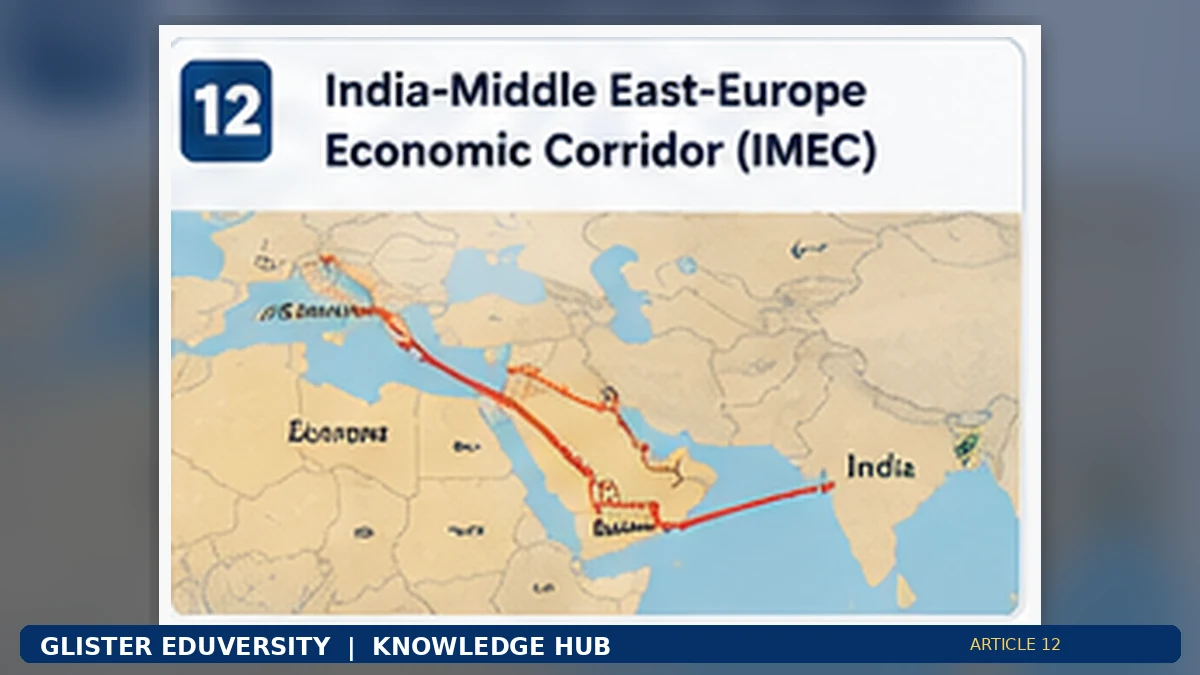
- The India-Middle East-Europe Economic Corridor was announced on the margins of the summit.
Opportunities and Positive Possibilities
- India can continue using G20 networks to promote development partnerships and technology cooperation.
- Universities and young professionals can engage more deeply with global policy, sustainability and international economics.
- Indian digital platforms and standards can contribute to wider international conversations about inclusive public technology.
Challenges and Questions That Need Attention
- Global consensus remains difficult in periods of geopolitical tension.
- Announcements require long-term financing, institutional coordination and transparent implementation.
- India must balance national interests with the expectations of many different partners.
What Students and Young Professionals Should Learn
- Understand the difference between a presidency, a treaty and a permanent international institution.
- Follow official declarations instead of relying only on political commentary.
- Study how economics, climate, technology and diplomacy increasingly overlap.
- Compare what was announced with what is implemented over time.
Conclusion
The most important legacy of India's G20 Presidency is the attempt to connect global growth with inclusion. Its long-term significance will depend on whether the ideas discussed in 2023 translate into practical cooperation during the years that follow.
Sources and Further Reading
This article is an educational explainer based on publicly available official or authoritative material. Readers should consult the latest source documents for updates.