
Current-affairs explainer | Updated for the 2026 context
Agri-tech applies digital tools, engineering, biotechnology, remote sensing and data to farming and agricultural supply chains. Examples include weather advisories, soil analysis, farm machinery platforms, drones, satellite imagery, digital marketplaces, traceability and precision irrigation.
Why This Topic Matters Now
Interest in digital agriculture has grown as climate risk, labour constraints, input costs and market uncertainty affect farmers. The most useful solutions are those that solve a real local problem, work in regional languages, remain affordable and complement agricultural knowledge.
Key Points to Understand
- Technology should begin with a clearly defined farm problem.
- Data quality affects the reliability of advisories.
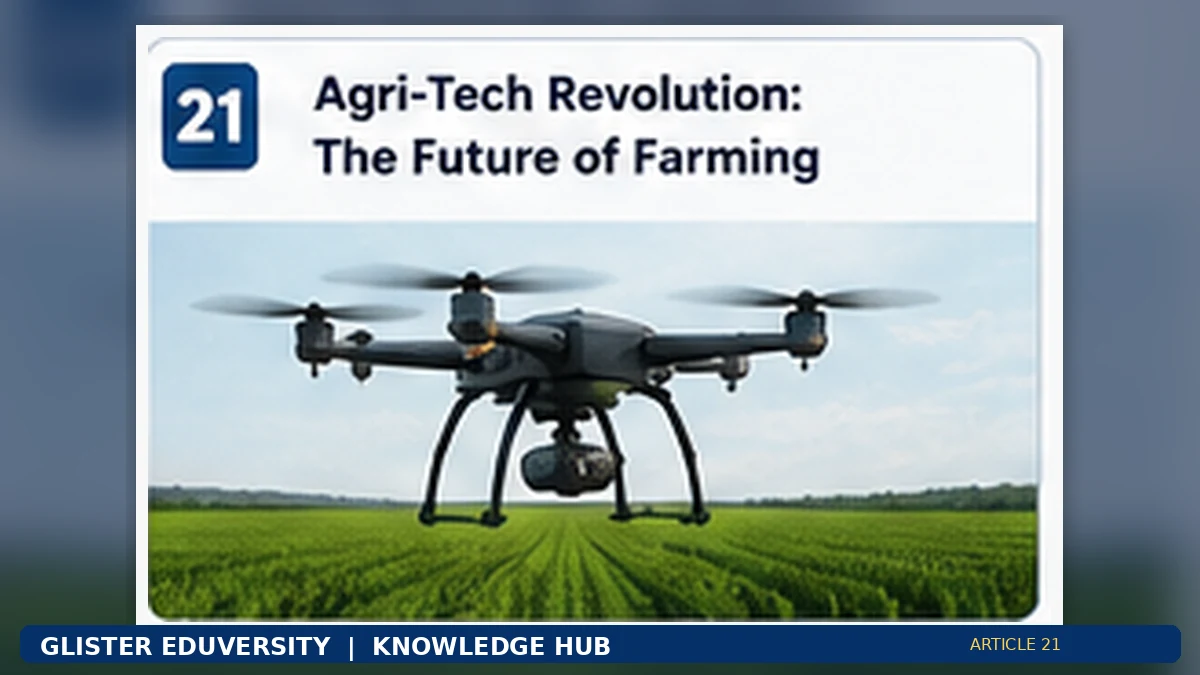
- Drones can support mapping, monitoring and selected agricultural operations.
- Digital marketplaces can improve access but do not remove quality and logistics constraints.
- Farmer consent and data governance require attention.
Opportunities and Positive Possibilities
- Better information can improve input use and risk management.
- Youth can build services in equipment, analytics, repair and advisory.
- Traceability can support quality-sensitive markets and exports.
Challenges and Questions That Need Attention
- Small and fragmented holdings affect business models.
- Connectivity, language and digital literacy vary.
- Technology can fail when local agronomy and farmer experience are ignored.
What Students and Young Professionals Should Learn
- Study agriculture together with data and field operations.
- Test solutions with farmers before scaling.
- Understand seasonal cash flow and rural distribution.
- Treat farmer data as sensitive and valuable.
Conclusion
Agri-tech can strengthen farming when it is practical, affordable and trusted. The future is not technology replacing farmers; it is better tools supporting informed decisions, resilient production and fairer value chains.
Sources and Further Reading
This article is an educational explainer based on publicly available official or authoritative material. Readers should consult the latest source documents for updates.